Indigenous Teachings on Healing and Relationship to Land
For Indigenous peoples across the world, healing has never been something that happens only within the body; it happens in relationship. The land is both a teacher and a participant in wellness. From the Filipino understanding of kapwa, the shared self that connects all beings, to the Hawaiian principle of malama ʻaina, caring for the land as you care for yourself, there is an acknowledgment that to heal the human body, we must also tend to the earth that sustains it.
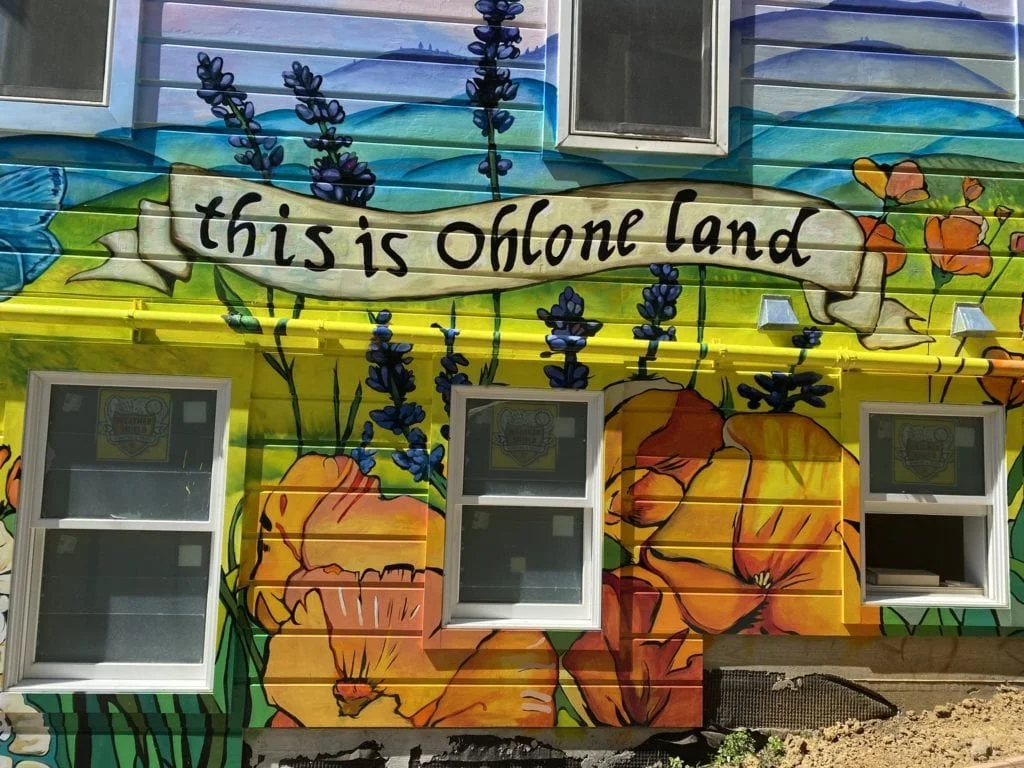
Here in the Bay Area, where Kaname Chiropractic is rooted, we acknowledge that we practice and live on the unceded lands of the Ramaytush and Chochenyo Ohlone peoples. For thousands of years, the Ohlone have cared for this region’s waters, hills, and valleys, shaping a relationship of reciprocity that continues to sustain life today. To honor their stewardship means more than a land acknowledgment. It means practicing what Indigenous peoples have always known: that wellness depends on respect, balance, and belonging.
These teachings find resonance in East Asian traditions as well. In Japanese philosophy, kaname (要) means the “vital point” — the essential axis upon which balance depends. It reflects the idea that harmony is not static but dynamic, constantly maintained through mindful alignment. Similarly, in Traditional Chinese Medicine, the concept of qi (氣) recognizes the flow of life energy that moves through all things — people, rivers, seasons. Health arises when this energy moves freely, just as the spine’s alignment restores flow within the body. Both traditions remind us that healing is not about control, but about listening to rhythm of body, nature and spirit.
When we remember that our work unfolds on Ohlone land, we also remember that the ground beneath our feet has witnessed centuries of adaptation and renewal. The coastal winds that move through San Mateo and the healing waters of the Bay are part of a lineage of care much older than us, one that invites humility. Healing, then, becomes less about “doing” and more about listening.
In Western healthcare, the human body is often treated like a set of mechanical parts to be tuned or replaced. Chiropractic care can sometimes be viewed the same way: a quick fix for a sore back. But Indigenous and Asian frameworks invite us to look deeper, to see the spine as a river that connects the whole terrain of the self. When flow returns through alignment, something greater than pain relief happens: the body remembers its place in the wider web of life.
At Kaname Chiropractic, we approach every session with this same reverence. The adjustment isn’t an act of dominance over the body; it’s an act of relationship. The hands ask permission before they move. The table becomes a place of reciprocity, a moment where practitioner and patient both listen. The body, like the land, responds when trust is rebuilt.
Try this:
Take your next walk outdoors without headphones. Feel your feet on the ground, the subtle shift in weight, the texture of the earth, the rhythm of your steps. If you’re in the Bay Area, maybe that’s by the Bay Trail, among the redwoods, or along the windy bluffs above the ocean. Notice how your breath adjusts to the landscape. This is the first step in remembering: healing as belonging.
Reflection:
When we honor our relationship to land, we also remember that we are land — breathing, growing, shedding, and capable of renewal. Each adjustment, like each breath, becomes an act of gratitude: a way of saying thank you to the earth for carrying us, and a promise to carry that care forward.
✨ Author’s Note
Kaname Chiropractic honors the Ramaytush and Chochenyo Ohlone peoples as the original caretakers of the lands now called San Mateo and the greater Bay Area. Their relationship to place continues to guide our understanding of healing as relational, reciprocal, and rooted in respect.
Our name, Kaname (要), comes from the Japanese word meaning “the vital point” — the essential axis of structure and spirit. It reflects our belief that balance is achieved through connection: between past and present, body and earth, wisdom and care.
We also recognize the shared philosophies within Traditional Chinese Medicine that teach qi (氣) — the life energy that flows through all things — and the importance of maintaining harmony within and around us. These perspectives remind us that healing, like nature, is a continuous dialogue.
We invite our community to learn more about and support Sogorea Te’ Land Trust — an urban Indigenous women-led organization working to rematriate land and restore Indigenous stewardship in the Bay Area.
May every act of care — for body, land, or community — be an offering of thanks to those who have tended this ground before us, and to the wisdom traditions that continue to guide our hands.